

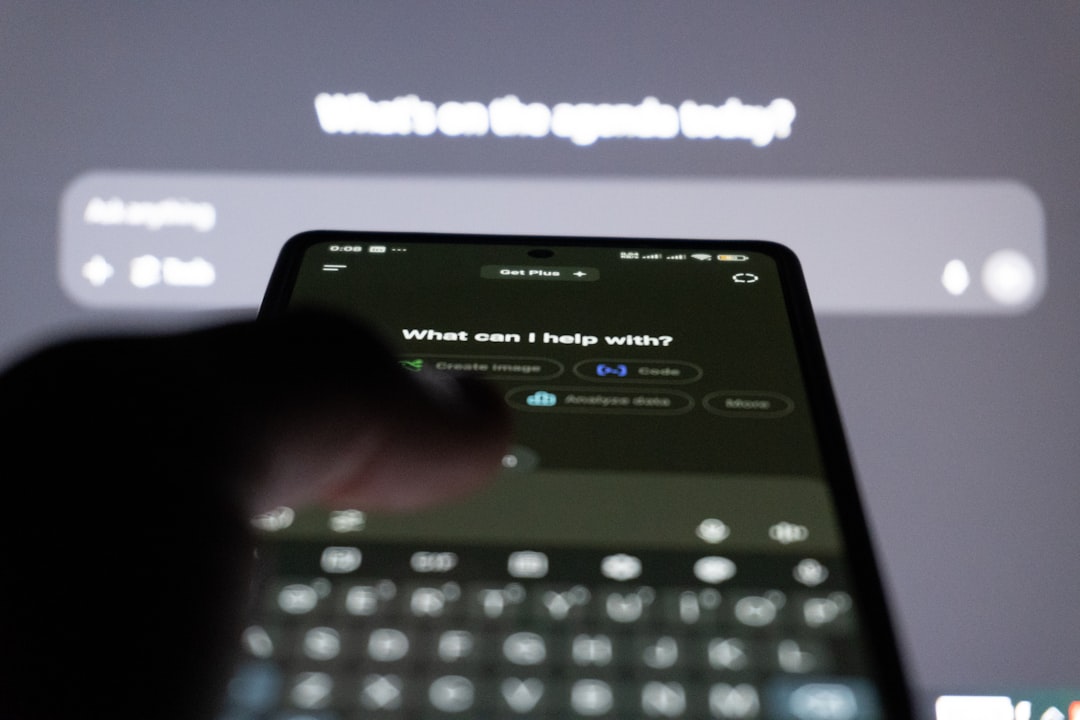
You woke up this morning to an alarm that adjusted itself based on traffic conditions. Your coffee started brewing before you reached the kitchen. Your calendar rescheduled a conflicting meeting while you were in the shower. If this sounds familiar, you’re already living in an AI-powered world. In 2026, 78% of households use AI-enabled devices daily, often without realizing it. Artificial intelligence isn’t a distant future—it’s embedded in your morning routine, your commute, your workday, and your evening wind-down. Here are eight concrete ways AI is transforming everyday life right now.
AI Assistants That Actually Understand You
Your AI assistant no longer needs babysitting. Instead of issuing rigid commands like “set alarm for 7 AM,” you can now say “I have an early flight tomorrow” and watch it automatically adjust your wake-up time, order a rideshare, and reschedule your morning meetings.
This leap in contextual understanding represents the biggest shift in how we interact with AI daily. Modern assistants like Microsoft Copilot and Google Workspace AI serve over 500 million users every day, handling complex workflows that once required human judgment. They don’t just execute single tasks—they orchestrate entire sequences based on your habits, preferences, and context.
The difference is profound. Your assistant now remembers that you always grab coffee before 9 AM meetings and blocks that time automatically. It knows your boss prefers bullet points over paragraphs and reformats your emails accordingly. When you mention “the presentation” in a message, it understands which one based on your calendar and recent documents.
This contextual awareness extends across your digital ecosystem. Request a document summary during a video call, and your assistant pulls the relevant file, distills key points, and drops them in the chat—all while you keep talking. The AI connects dots between your email, calendar, smart home devices, and productivity apps without requiring you to specify every detail.
The technology works because these systems now process natural language with genuine comprehension, not just keyword matching. They learn your communication style, anticipate needs based on patterns, and adapt their responses to match your workflow. It’s the difference between a voice-activated remote control and a colleague who actually gets what you’re trying to accomplish.
Your Home Knows What You Need Before You Ask
Your thermostat adjusts two degrees before you even realize you’re cold. The lights dim automatically as evening approaches, matching your usual routine. Your coffee maker starts brewing at 6:47 AM because that’s when you typically wake up on Tuesdays.
This isn’t science fiction. It’s predictive AI working silently in the background of modern smart homes.
Today’s smart home systems don’t just respond to commands. They analyze weeks of behavioral data to anticipate your needs. Machine learning algorithms track when you arrive home, which rooms you use at specific times, and how you prefer your environment throughout the day. The result is a living space that adapts to you without requiring constant manual adjustments.
The energy savings are substantial. Homes equipped with predictive AI systems reduce energy costs by up to 25% through intelligent optimization. Instead of heating or cooling empty rooms, these systems predict occupancy patterns and adjust climate control accordingly. They learn that you never use the guest room on weekdays or that you prefer the bedroom cooler at night.
Key capabilities include:
- Pattern recognition that identifies daily routines and adjusts settings proactively
- Multi-sensor integration combining motion, temperature, and light data for accurate predictions
- Adaptive learning that evolves as your schedule changes seasonally
- Energy forecasting that optimizes consumption during peak and off-peak hours
The technology creates personalized comfort zones without you lifting a finger. Your home simply knows that Friday evenings mean brighter kitchen lighting for cooking, or that Sunday mornings call for warmer temperatures and softer bedroom lighting. It’s automation that feels less like technology and more like telepathy.
Healthcare AI That Saves Lives
Artificial intelligence is now diagnosing life-threatening diseases with accuracy that rivals—and sometimes exceeds—the best human specialists. AI-powered diagnostic tools detect cancer and diabetic retinopathy with accuracy rates above 95%, catching conditions at stages when treatment is most effective. These systems analyze medical images, scan results, and patient data in seconds, identifying patterns that might escape even experienced physicians during routine examinations.
Early Disease Detection
The impact goes beyond accuracy. Early detection systems powered by AI are saving an estimated 250,000 lives annually by identifying diseases like lung cancer, breast cancer, and cardiovascular conditions before symptoms appear. What makes this revolutionary is accessibility. Hospitals in underserved areas without specialist radiologists can now deploy AI diagnostic tools that provide expert-level analysis. A clinic in rural Montana uses the same AI imaging analysis as a major cancer center in Boston.
Diabetic retinopathy screening demonstrates this democratization perfectly. Patients at primary care offices can receive instant eye scans analyzed by AI, catching vision-threatening damage years earlier than traditional referral pathways allowed. No waiting months for a specialist appointment. No disease progression during delays.
Mental Health Support
Mental health AI has evolved from basic chatbots to sophisticated support systems providing 24/7 assistance comparable to traditional therapy for mild to moderate conditions. Apps like Woebot and Wysa use natural language processing to deliver cognitive behavioral therapy techniques, mood tracking, and crisis intervention when human therapists aren’t available.
These platforms don’t replace human therapists but extend mental healthcare to people who face barriers—cost, stigma, geography, or waitlists stretching months. Clinical studies show users experience measurable improvements in anxiety and depression symptoms, with AI support bridging gaps between therapy sessions or serving as a first step before human intervention.
Autonomous Vehicles Are Here (And They’re Safer)
Self-driving cars have moved from futuristic concept to daily reality. Level 4 autonomous vehicles now operate in more than 25 major cities worldwide, handling everything from grocery deliveries to airport shuttles to late-night rides home. You’ve probably already ridden in one.
The safety numbers tell a compelling story. Cities with established autonomous vehicle programs report a 40% reduction in traffic accidents compared to human-driven vehicles. The difference comes down to reaction time and consistency. AI systems don’t get distracted by phones, don’t drive drowsy, and process sensor data from every direction simultaneously. They’re predictably cautious in ways humans rarely are.
Your morning commute looks different now. Robotaxis cruise through San Francisco, Phoenix, and Austin without safety drivers. In Singapore and Seoul, autonomous buses follow fixed routes with millimeter precision. Even smaller cities like Columbus and Pittsburgh run AV pilot programs that thousands of residents use daily.
The technology works because these vehicles map their environments in real-time using LIDAR, cameras, and radar. They communicate with traffic infrastructure and other vehicles, creating a mesh network that predicts traffic flow before congestion forms. When one autonomous vehicle encounters an unusual situation, the entire fleet learns from it within hours.
Urban planners are already redesigning streets around this shift. Parking lots shrink as fewer people own personal vehicles. Drop-off zones expand. The vehicles themselves become mobile offices and entertainment pods rather than just transportation. What started as a safety innovation is reshaping how cities function.
Work Smarter: AI Takes Over the Boring Stuff
Knowledge workers are reclaiming nearly 40% of their workday thanks to AI automation. The tedious administrative tasks that once consumed hours—drafting routine emails, scheduling meetings across time zones, summarizing lengthy documents—now happen in seconds with AI assistance.
Microsoft Copilot and Google Workspace AI are doing the heavy lifting for over 500 million users daily. These tools don’t just autocomplete sentences. They generate first drafts of reports, pull action items from meeting transcripts, and create presentation slides from raw data. What used to take an afternoon now takes minutes.
The shift is most dramatic in content creation. AI tools now assist in producing 60% of digital content, from social media posts to marketing copy. Writers use them to beat blank page syndrome, marketers to A/B test dozens of headline variations, and teams to maintain consistent brand voice across channels.
Common tasks AI handles automatically:
- Email triage and response drafting based on context and priority
- Meeting scheduling with automatic conflict resolution
- Document summarization and key point extraction
- Data entry and spreadsheet formatting
- Basic customer inquiry responses
- Calendar optimization across teams
This automation doesn’t replace human creativity—it amplifies it. When routine work disappears, people spend more time on strategic thinking, problem-solving, and the nuanced work that requires human judgment. Designers focus on concepts instead of resizing assets. Analysts interpret insights rather than cleaning data. Managers coach teams instead of updating status reports.
The result? Workdays feel less like administrative marathons and more like focused sprints on meaningful work.
Learning That Adapts to You
Educational platforms powered by AI are rewriting how students learn by personalizing every lesson in real-time. Instead of forcing everyone through identical content at the same pace, these systems adjust difficulty, teaching style, and learning speed based on individual performance.
Khan Academy’s AI tutor, Duolingo Max, and platforms like Century Tech now analyze thousands of data points per student. When you struggle with algebra but breeze through geometry, the system notices. It serves up extra practice problems for weak areas while accelerating through concepts you’ve mastered. If you learn better through visual examples than written explanations, the AI adapts its teaching approach accordingly.
The results are measurable. Studies show AI-powered personalized education platforms deliver a 30% improvement in student retention rates compared to traditional one-size-fits-all approaches. Students complete courses faster and score higher on assessments because they’re not stuck waiting for classmates or drowning in material that moves too quickly.
These platforms work for all ages. Elementary school math apps adjust problem complexity after every answer. Corporate training programs modify content based on employee progress. Language learning apps like Duolingo shift vocabulary difficulty and lesson length based on your consistency and error patterns.
The technology tracks micro-behaviors too: how long you pause before answering, which mistakes you repeat, and when your attention typically wanes. By 2026, over 200 million students worldwide use some form of adaptive AI learning daily, making personalized education accessible far beyond expensive private tutoring.
Shopping, Translation, and Daily Conveniences
AI has quietly infiltrated the mundane moments of daily life—from browsing online stores to navigating foreign airports to protecting your bank account from fraudsters.
Personalized Shopping
Online retailers now use AI to create shopping experiences tailored to individual preferences with uncanny precision. These systems analyze your browsing patterns, purchase history, and even the time you spend hovering over certain products to predict exactly what you’ll want next.
The results are striking: AI-powered personalization increases conversion rates by 35% compared to traditional e-commerce approaches. Instead of scrolling through hundreds of irrelevant options, you see products curated specifically for your style, budget, and needs. Virtual try-on features use computer vision to show how clothes fit or how furniture looks in your actual living room before you buy.
Breaking Language Barriers
Real-time translation technology has evolved from clunky phrase books to seamless communication across 100+ languages. AI-powered translation apps now understand context, idioms, and cultural nuances that earlier systems missed completely.
Travelers use earbuds that translate conversations in real-time during face-to-face interactions. Business professionals collaborate with international teams without language barriers slowing them down. Even handwritten signs and menus translate instantly through your smartphone camera, making foreign cities feel immediately accessible.
Financial Protection
Behind the scenes, AI fraud detection systems work around the clock to protect your money. These systems analyze millions of transaction patterns per second, flagging suspicious activity before criminals can drain accounts.
In 2026 alone, AI-powered fraud detection prevented $40 billion in financial losses. The technology identifies unusual spending patterns, verifies your identity through behavioral biometrics, and blocks fraudulent transactions faster than any human analyst could. You might never see these systems at work, but they’re constantly defending your financial security.
What This Means for Your Daily Life
The $638 billion AI market isn’t just an abstract figure. Nearly half of that investment—42% to be exact—targets consumer applications that directly touch your morning routine, work meetings, and evening entertainment. If you’re in a developed country, there’s a 78% chance you’ve already interacted with AI-powered technology today, often without realizing it.
This integration isn’t accidental. AI has moved from experimental labs into the infrastructure of daily life. Your email client drafts responses. Your phone predicts when you’ll leave for work. Your banking app stops fraudulent charges before you notice them, contributing to the $40 billion in annual fraud prevention.
The shift requires a new approach to how you engage with technology:
- Start with what you already use – Microsoft Copilot and Google Workspace AI now serve over 500 million daily users. Explore features in tools you’re already paying for rather than chasing new platforms.
- Prioritize AI in high-stakes areas – Healthcare diagnostics with 95%+ accuracy rates and autonomous vehicles reducing traffic accidents by 40% offer genuine safety improvements. Know where AI adds measurable value.
- Stay selectively skeptical – AI excels at pattern recognition but lacks human judgment. Review AI-generated content before accepting it. Understand that personalized recommendations optimize for engagement, not necessarily your best interests.
- Build AI literacy gradually – You don’t need to understand neural networks to use AI effectively. Focus on recognizing AI’s presence in your tools and learning when to trust or question its outputs.
AI in 2026 isn’t about distant sci-fi scenarios or robot overlords. It’s woven into the fabric of everyday life from the moment your smart alarm wakes you to when your home dims the lights at bedtime. The tangible benefits are already here: knowledge workers reclaiming 40% of their time, energy bills dropping 25%, traffic accidents falling 40% in cities with autonomous vehicles, and 250,000 lives saved annually through early disease detection.
The question isn’t whether AI will transform your life—it already has. The question is how actively you’ll engage with these tools. Start by exploring AI features in the apps you already use. Pay attention to where AI genuinely saves time or improves outcomes versus where it adds complexity. Stay curious about new developments, but prioritize practical applications over hype.
The AI revolution isn’t coming. It’s here, making daily life more efficient, accessible, and responsive to your actual needs. And this is just the beginning.