

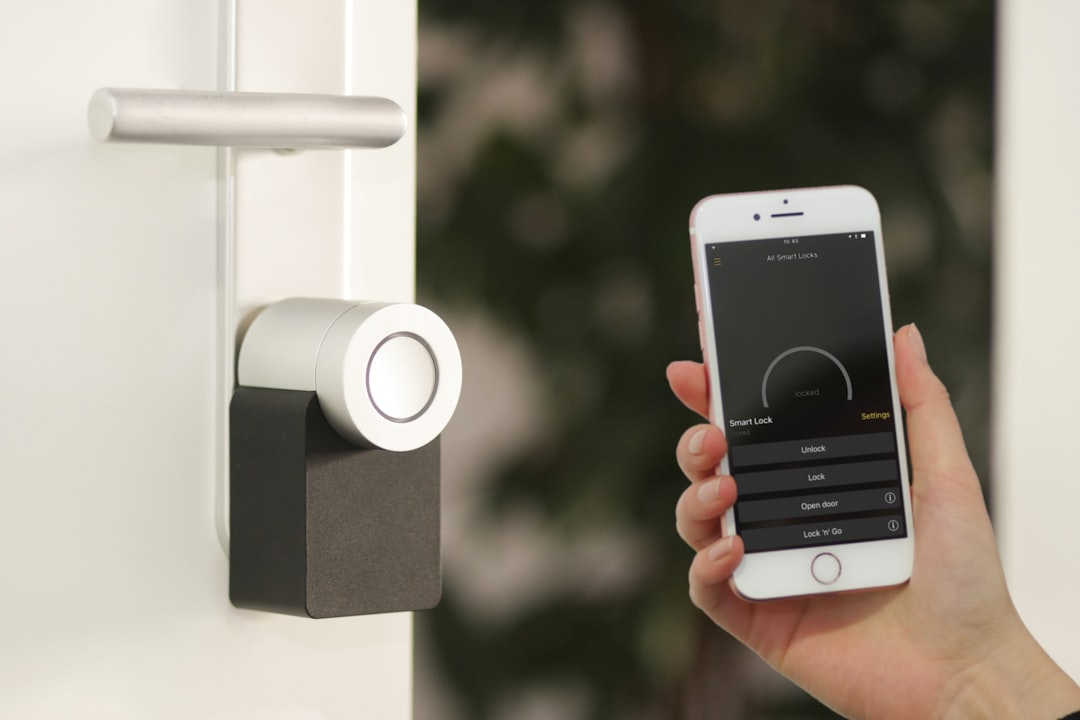
The smart home market is exploding. From $79 billion in 2022 to a projected $338 billion by 2030, this isn’t just growth—it’s a revolution. What was once a luxury for tech enthusiasts has become a mainstream necessity. The average household now contains 17 connected devices, up from just 10 in 2019. Why the sudden shift? Five key drivers are pushing smart homes into every neighborhood: plummeting prices, AI that actually learns, installation so simple your parents can do it, industry standards that finally work together, and real money savings that show up on your energy bill. Let’s break down exactly why smart homes have crossed from novelty to necessity.
The Smart Home Market Is Exploding
The numbers tell a story of explosive transformation. The global smart home market stood at $79.16 billion in 2022. By 2030, analysts project it will surge to $338.28 billion—a compound annual growth rate of 27.07%. This isn’t speculative hype. It’s a fundamental shift in how people interact with their living spaces.
To put that growth in perspective, the average household now contains 17 connected devices, up from just 10 in 2019. We’re not talking about tech enthusiasts anymore. Mainstream consumers are installing smart thermostats, video doorbells, connected light bulbs, and voice assistants at an unprecedented pace.
Smart speakers have become the gateway drug. Over 200 million Amazon Echos, Google Homes, and similar devices are currently in use worldwide. These voice-controlled hubs serve as command centers, making it dead simple to add more connected devices without downloading yet another app or learning complex setup procedures.
The economics drive adoption as much as the convenience. Smart thermostats like Nest demonstrate measurable value, reducing heating and cooling costs by 10-23% according to independent studies. When a $200 device can cut hundreds off annual energy bills, the ROI calculation becomes straightforward.
Perhaps most importantly, the fragmentation problem that once plagued the industry is finally getting solved. The Matter protocol, launched in 2022 with backing from Apple, Google, Amazon, and Samsung, is creating unified standards across previously incompatible ecosystems. When consumers no longer need to worry whether their Samsung smart plug will work with their Google speaker, the friction preventing mass adoption disappears.
Smart Speakers Opened the Gateway
Amazon Echo and Google Home didn’t just introduce voice assistants to living rooms. They fundamentally changed how millions of people think about connected technology. With over 200 million smart speakers in use globally as of 2023, these compact devices became the most successful Trojan horse for smart home adoption in tech history.
The brilliance of smart speakers lies in their simplicity. Unlike traditional smart home hubs that required technical knowledge, app installations, and Wi-Fi network configurations, users could unbox an Echo or Google Home, plug it in, and start controlling their lights or thermostats within minutes. This frictionless setup made smart home technology accessible to demographics that previously found connected devices intimidating.
The timing mattered too. Amazon and Google aggressively priced these devices, often selling them at cost during promotional periods. A $50 Echo Dot became an impulse purchase rather than a considered tech investment. Once inside homes, these speakers served as constant reminders that voice control was not only possible but practical for everyday tasks.
Voice Control as the Preferred Interface
The preference for voice over apps tells the real story of smart speaker success. According to recent data, 71% of users prefer voice control over traditional app interfaces for managing their smart home devices. This preference makes sense when you consider the alternative: fumbling with your phone, unlocking it, finding the right app, navigating through menus, and finally adjusting your thermostat.
Voice commands collapsed this multi-step process into a single sentence. “Alexa, set the temperature to 68 degrees” became faster and more intuitive than any touchscreen interface could match. For non-tech users, especially older adults who might struggle with smartphone interfaces, voice control removed barriers entirely. The technology finally met people where they were, rather than demanding they learn new digital skills.
Real Money Savings Drive Adoption
The “cool factor” might get people interested in smart homes, but hard dollars saved each month seal the deal. Homeowners are discovering that smart devices pay for themselves faster than expected, transforming what once felt like a luxury into a practical investment.
Energy Management
Smart thermostats have emerged as the financial workhorse of connected homes. Devices like Nest and Ecobee deliver measurable cost reductions by learning household patterns and adjusting temperatures automatically when rooms are empty or residents are sleeping. Independent studies confirm savings of 10-23% on heating and cooling bills—the largest energy expense for most households.
For the average American home spending $2,000 annually on HVAC costs, that translates to $200-$460 back in your pocket each year. The devices typically cost $200-$250, meaning payback happens within 6-12 months. After that, it’s pure savings.
Energy management extends beyond thermostats. Smart lighting systems reduce electricity waste by ensuring lights turn off when rooms are unoccupied, while smart plugs eliminate phantom power drain from devices in standby mode. These smaller interventions add up:
- Smart LED bulbs: 75% less energy than traditional bulbs with automated scheduling
- Smart power strips: Eliminate up to $100/year in phantom energy costs
- Water leak detectors: Prevent thousands in potential water damage and inflated bills
Insurance Incentives
Insurance companies have noticed that smart security systems reduce claims, and they’re passing savings directly to homeowners. Major insurers now offer 5-20% discounts on homeowners insurance for properties equipped with smart smoke detectors, water sensors, security cameras, and monitored alarm systems.
A homeowner paying $1,500 annually for insurance could save $75-$300 per year just by installing devices they likely wanted anyway. Combined with energy savings, the ROI calculation becomes compelling—often recouping initial investment within two years while continuing to deliver benefits indefinitely.
AI Is Making Homes Truly Smart
Early smart home devices were glorified remote controls. You could say “turn off the lights” to Alexa instead of flipping a switch, but that wasn’t intelligence—it was just voice-activated automation. Today’s AI-powered homes have evolved far beyond simple commands into systems that actually think ahead.
Modern smart homes use machine learning to study your daily routines and make adjustments before you even realize you need them. Your thermostat doesn’t wait for you to ask—it learns you prefer 68 degrees when you wake up at 6:30 AM on weekdays and automatically adjusts thirty minutes before your alarm. Smart lighting systems track when you typically enter rooms and dim or brighten based on time of day and ambient light levels, no switches required.
The shift from reactive to predictive represents a fundamental change in how these systems operate. Instead of responding to commands, AI analyzes patterns from weeks or months of data to anticipate your preferences. Nest thermostats, for instance, have demonstrated they can reduce heating and cooling costs by 10-23% through this learning process—not because users are manually adjusting settings, but because the system optimizes automatically.
Security systems now distinguish between a package delivery, a family member arriving home, or an unknown person approaching your door. They can send different alerts based on what they recognize, or even unlock the door when they identify you through facial recognition while keeping it locked for strangers.
This predictive layer transforms smart homes from novelty gadgets into genuinely useful assistants. The home adapts to you rather than forcing you to micromanage dozens of apps and settings. With over 200 million smart speakers already deployed globally, these AI-powered capabilities are becoming the new baseline expectation rather than premium features.
Installation Got Way Easier
Remember when smart home setups required an electrician and a weekend of drilling holes through walls? Those days are gone. Today, 68% of consumers install their own smart home devices without professional help, and that shift has completely changed who can access this technology.
The DIY Revolution
Wireless connectivity killed the complexity barrier. Modern smart devices communicate via Wi-Fi, Zigbee, or Bluetooth instead of hardwired connections. You can stick a smart light switch over your existing switch, screw in a smart bulb, or mount a video doorbell with nothing more than a screwdriver and your phone.
The user interfaces deserve credit too. Setup processes now guide you through installation with step-by-step app instructions, complete with photos and videos. Scan a QR code, follow the prompts, and you’re typically operational in under five minutes. Companies like Wyze and TP-Link have made this their competitive advantage, designing products specifically for first-time users.
The low-risk experimentation factor matters enormously. Smart bulbs from brands like Wyze and Govee now retail for under $10. That pricing means trying smart home technology doesn’t require a major financial commitment. Buy one bulb, test it in a lamp, and see if you like controlling lights from your phone before investing in whole-home systems.
This accessibility transformed smart homes from a luxury requiring professional installation into something anyone can try on a Tuesday evening. The barrier isn’t technical knowledge anymore. It’s simply deciding which devices to start with.
Matter Protocol Solved the Compatibility Nightmare
For years, buying a smart home device meant first checking whether it worked with your existing ecosystem. A Google Home user couldn’t easily add an Apple HomeKit device. Amazon Alexa products didn’t play nice with Samsung SmartThings. This fragmentation turned smart home shopping into a technical minefield that scared off mainstream consumers.
Matter changed everything when it launched in 2022. The protocol brought together the industry’s biggest rivals—Apple, Google, Amazon, and Samsung—under a single unified standard. For the first time, these tech giants agreed to make their devices work seamlessly across platforms.
The impact was immediate. A Matter-certified smart bulb now connects to iPhone, Android, Alexa, and Google Assistant without requiring separate apps or complicated workarounds. You can control your lights with Siri at home and Google Assistant at work. The protocol handles the translation behind the scenes.
Before Matter, consumers faced impossible choices. Buying a Ring doorbell meant committing to the Amazon ecosystem. Choosing Apple HomeKit locked you into more expensive devices with limited selection. Many people simply gave up, unwilling to bet on the wrong platform.
Matter removes that barrier. The protocol supports Wi-Fi, Thread, and Bluetooth connectivity, covering virtually every smart home use case. Major manufacturers like Philips, Eve, and Nanoleaf have already certified hundreds of devices. Even better, many existing products received Matter support through firmware updates.
This standardization doesn’t just benefit consumers. Startups can now build smart home products without choosing sides or developing multiple versions. The reduced development cost and broader market access makes innovation more accessible than ever.
Privacy Concerns Still Linger
Despite the rapid growth of smart home adoption, 63% of consumers remain worried about privacy and data breaches according to recent surveys. These fears aren’t unfounded. Smart home devices continuously collect data about daily routines, voice commands, video feeds, and even energy usage patterns, creating a detailed digital footprint of household behavior.
Security concerns consistently rank as the biggest barrier to smart home adoption. High-profile incidents of hacked baby monitors, compromised security cameras, and unauthorized access to smart locks have reinforced public skepticism. Many consumers question whether the convenience of voice-activated lights or automated thermostats is worth the potential exposure of their personal data to hackers or corporate surveillance.
The industry has started responding to these legitimate concerns with tangible solutions. Major manufacturers are implementing end-to-end encryption as standard rather than optional. Apple’s HomeKit requires strict security protocols for device certification, while Google and Amazon have introduced privacy dashboards that give users more visibility into what data gets collected and how it’s used.
Local processing represents another significant shift. Newer smart home devices are increasingly handling voice commands and automation rules on-device rather than sending everything to cloud servers. This reduces both privacy risks and dependency on internet connectivity. The Matter protocol, which launched in 2022, includes security requirements by design, mandating encrypted communications between devices.
Transparency around data usage is also improving. Companies now face regulatory pressure in markets like Europe and California to clearly disclose data practices, giving consumers more control over what information gets shared and with whom.
Emerging Use Cases Expand the Market
Smart home technology is breaking out of its entertainment and convenience bubble. The next wave of adoption isn’t about voice assistants playing music or lights that change color—it’s about keeping people healthy, safe, and independent in their own homes.
Healthcare and Aging-in-Place
Aging populations across developed nations are reshaping what smart homes can do. By 2030, one in six people globally will be 60 or older, creating massive demand for technology that helps seniors live independently without moving to assisted care facilities.
Remote patient monitoring represents the fastest-growing segment of smart home adoption. The market is expected to reach $1.7 billion by 2027, driven by devices that track vital signs, detect falls, and alert caregivers to potential emergencies. These aren’t futuristic concepts—they’re being deployed today in thousands of homes.
Smart home health solutions now include:
- Fall detection sensors that automatically contact emergency services when unusual patterns are detected
- Medication dispensers with reminders and tracking to ensure proper dosing schedules
- Environmental monitors that track temperature, air quality, and detect gas leaks or floods
- Motion sensors that learn daily routines and alert family members to unusual inactivity
- Voice-activated emergency systems integrated with medical alert services
Healthcare providers are increasingly partnering with smart home companies to reduce hospital readmissions and enable early intervention. Insurance companies have also taken notice, with some offering premium discounts for homes equipped with health monitoring technology.
This shift opens smart home technology to entirely new demographics who previously saw it as unnecessary gadgetry. For adult children managing care for aging parents, these systems provide peace of mind and tangible health benefits that justify the investment.
The Smart Home Future Is Already Here
Smart homes have officially crossed the chasm. What started as a luxury for early adopters has become accessible, affordable, and genuinely useful for mainstream consumers. The convergence of falling prices, AI that learns your habits, DIY installation, unified standards through Matter, and measurable financial benefits has eliminated nearly every barrier that once held people back.
The trajectory is clear. As AI gets smarter, devices get cheaper, and use cases expand into healthcare and aging-in-place solutions, smart homes will become the default rather than the exception. We’re not heading toward a future where homes are smart—we’re already living in it. The question isn’t whether to adopt smart home technology anymore. It’s which devices to start with and how quickly your home can catch up to where the market is already headed.
The $338 billion market projection for 2030 isn’t optimistic speculation. It’s a conservative estimate of what happens when technology finally delivers on its promise: making life easier, safer, and more efficient without requiring a computer science degree to set it up.